This podcast episode was originally published on the Capital Allocators podcast on January 19, 2026.
In 1996, Scott Kleinman joined Apollo as our 13th employee. Nearly 30 years later, as Co-President of Apollo Asset Management, he reflects on how the firm has evolved and what has remained constant.
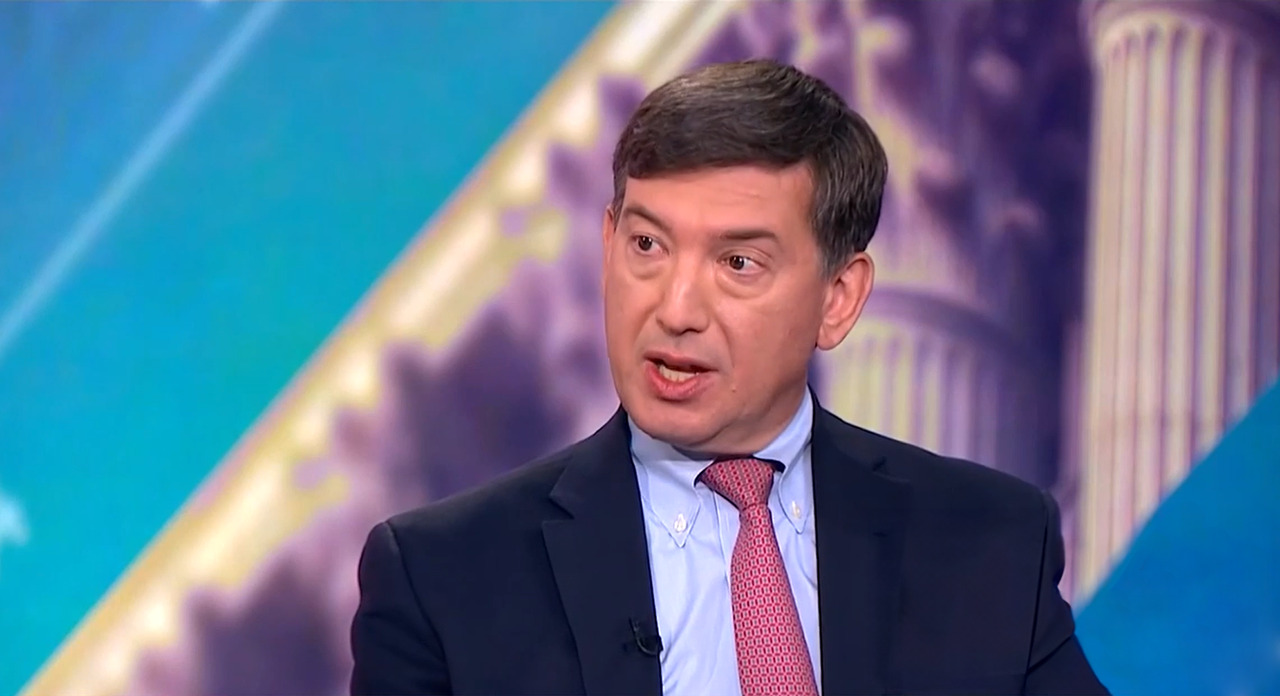
Nearly three decades after joining Apollo as its 13th employee, Scott Kleinman has witnessed firsthand the firm’s transformation from a half-floor operation on Sixth Avenue into a global firm with integrated asset management and retirement services capabilities. In a conversation with Ted Seides on the Capital Allocators podcast, Scott reflects on Apollo’s origins, its defining cultural attributes and the strategic choices that continue to shape the firm’s evolution.
Apollo’s early identity was rooted in creative, value-driven investing with the ability to deploy flexibly across the capital structure. That philosophy, Scott explains, remains central today even as the firm has expanded to nearly $1 trillion in assets under management. Excess return per unit of risk, contrarian thinking and disciplined underwriting guide all of the firm’s activities across the Apollo platform.

A turning point for Apollo came during the Global Financial Crisis. As banks retreated from lending, Apollo leaned into credit, building a scaled private credit origination ecosystem alongside its equity business. That insight later extended into retirement services and insurance with the launch of Athene in 2009 and completion of the Apollo/Athene merger in 2022. Today, roughly half of Apollo’s capital is invested alongside clients through Athene, reinforcing a principal investor mindset.
Scott also emphasizes the benefits of Apollo’s integrated platform, a defining competitive advantage. Unlike asset managers organized strictly by asset class, Apollo connects origination, underwriting, structuring and capital deployment across strategies. With limited internal information barriers, teams collaborate to share insights and identify the most attractive risk-adjusted opportunities, whether in asset-backed finance, private investment-grade credit or structured equity.
Looking ahead, Scott outlined several investment themes shaping Apollo’s strategy, including the convergence of public and private markets, the growing role of private assets in retirement systems and the massive capex needs associated with the Global Industrial Renaissance. While demand for private assets continues to grow across institutional and wealth channels, Apollo remains selective, prioritizing durability, downside protection and alignment over scale. As Scott notes, Apollo doesn’t follow the herd. Where are markets headed? What capabilities are needed to lead? Apollo is focused on answering those questions and building solutions to serve clients across cycles.
“We spend a lot of time thinking about where's the puck going and what do we need, what skills do we need to get from here to there and how do we go build it. We've been very clear over the last four or five years continuing to scale our origination, continuing to scale our delivery to the wealth management side of the industry has been an important piece. In the coming years. We've been pretty vocal figuring out how we're going to be accessing the 401(k) market.”
Scott Kleinman, Co-President, Apollo Asset Management
Listen to the full interview anywhere you get your podcasts.
KEY TAKEAWAYS
- Apollo was built to be a trusted steward of capital in various market environments.
- The firm’s evolution accelerated during the Global Financial Crisis, expanding from private equity into credit and retirement services.
- Apollo is orienting the business today around several large addressable market opportunities, prioritizing origination and long-term balance-sheet alignment.
Tags