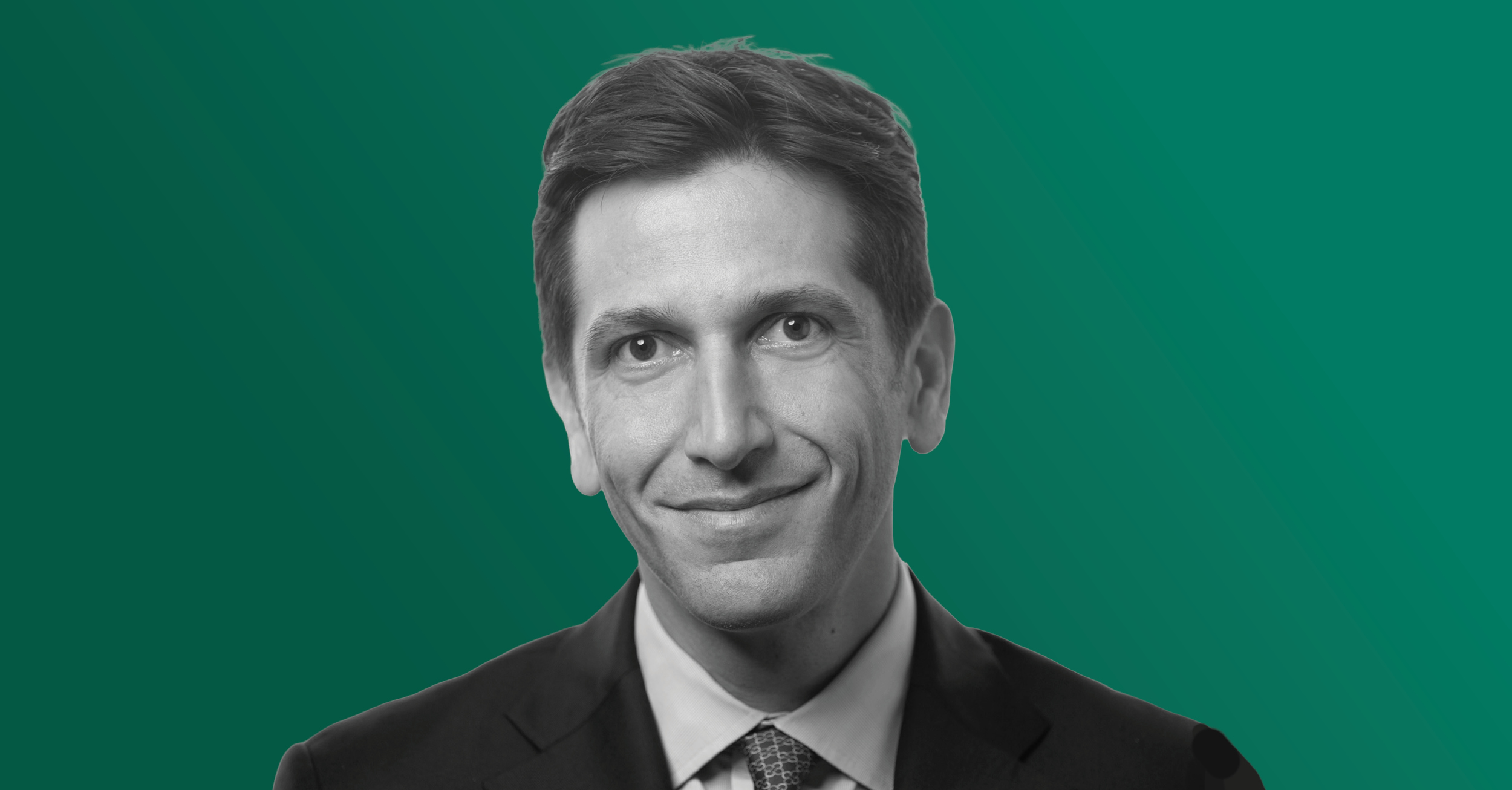
Marc Rowan on how Apollo’s differentiated strategy was built for this moment.
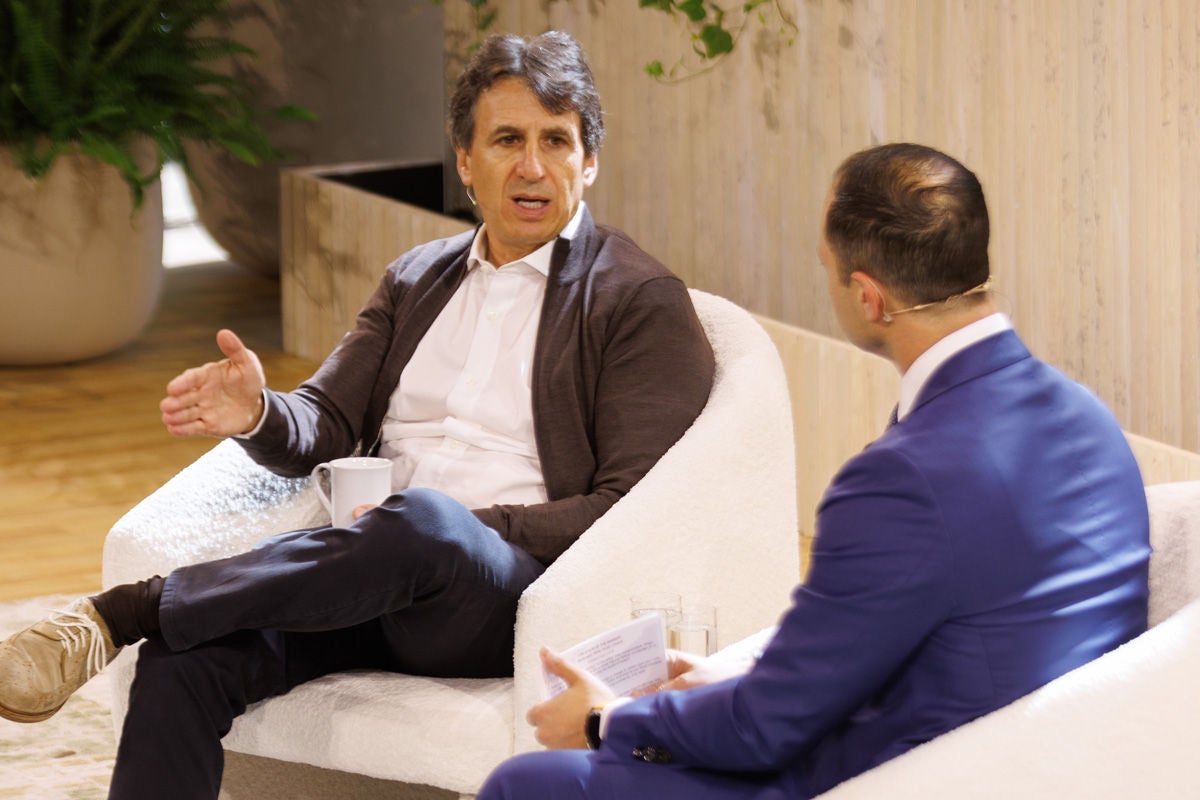
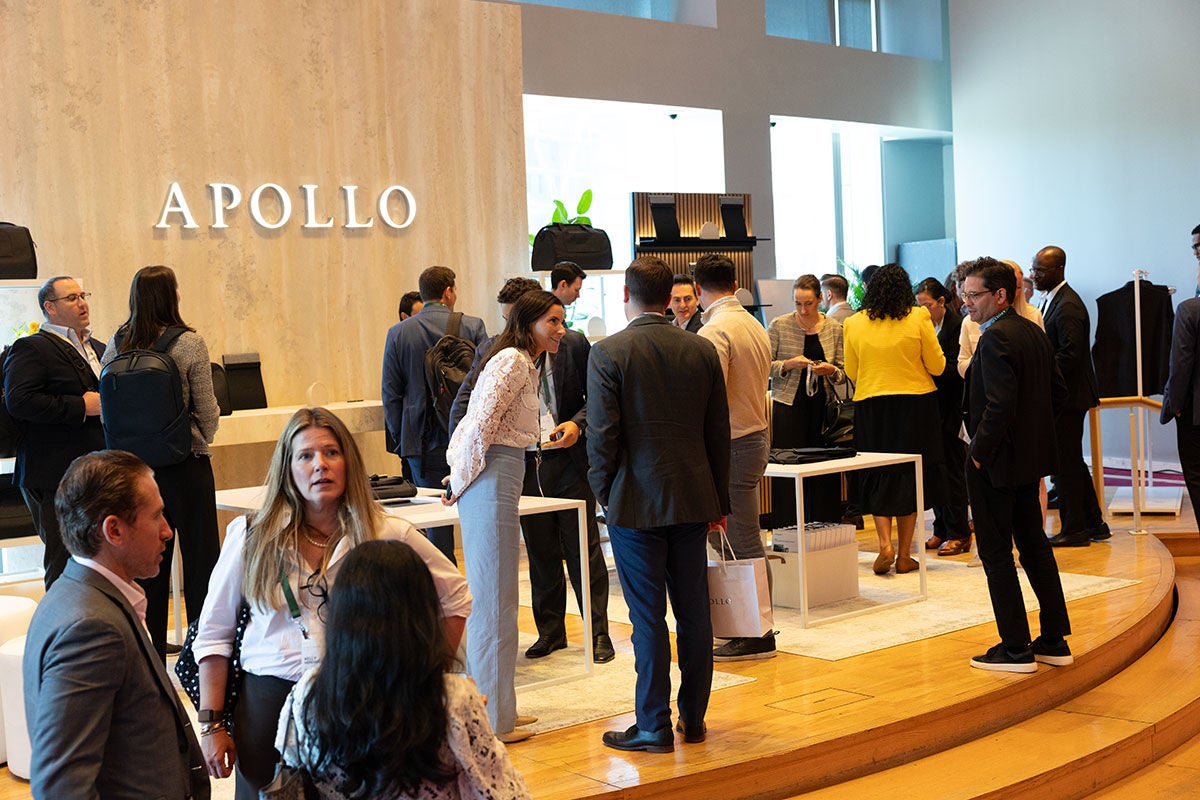
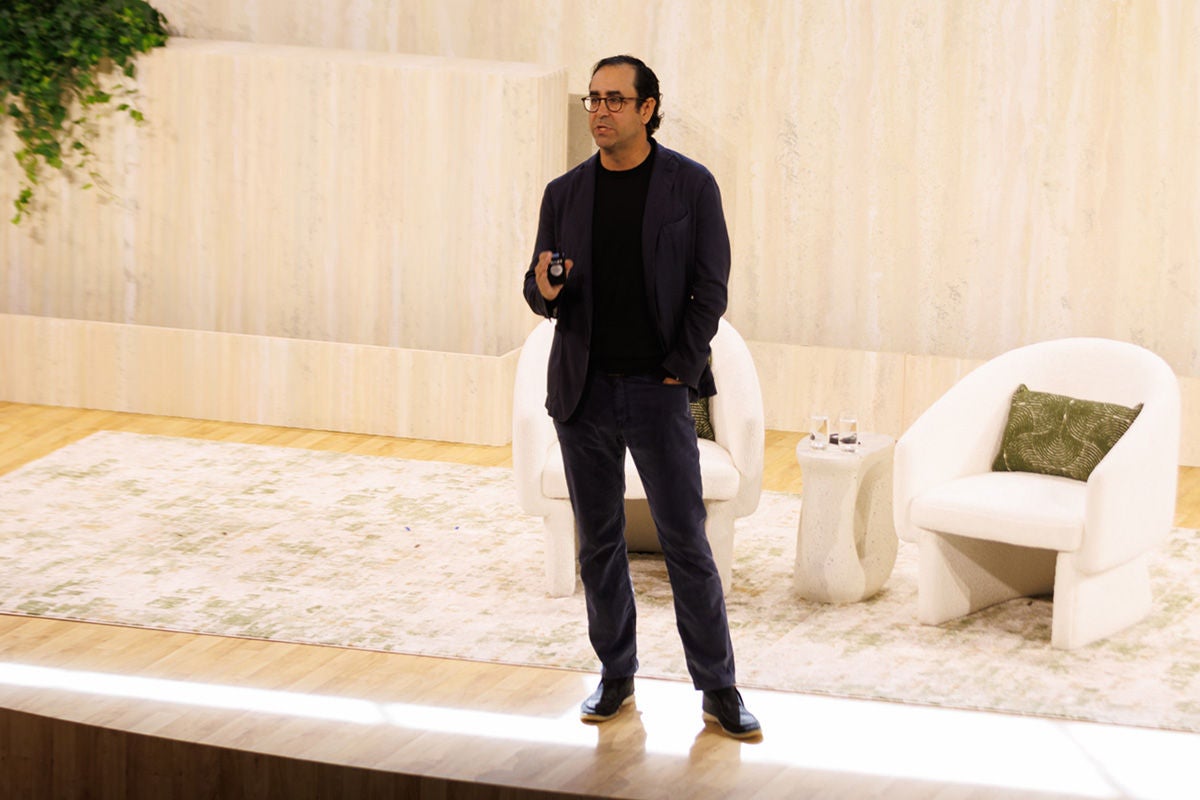
Over the course of the day, participants heard from chief investment officers, corporate CEOs, technology founders and Apollo leaders discussing how hybrid solutions can help companies and investors navigate an increasingly challenging market environment.
Two important themes emerged from the dialogue:
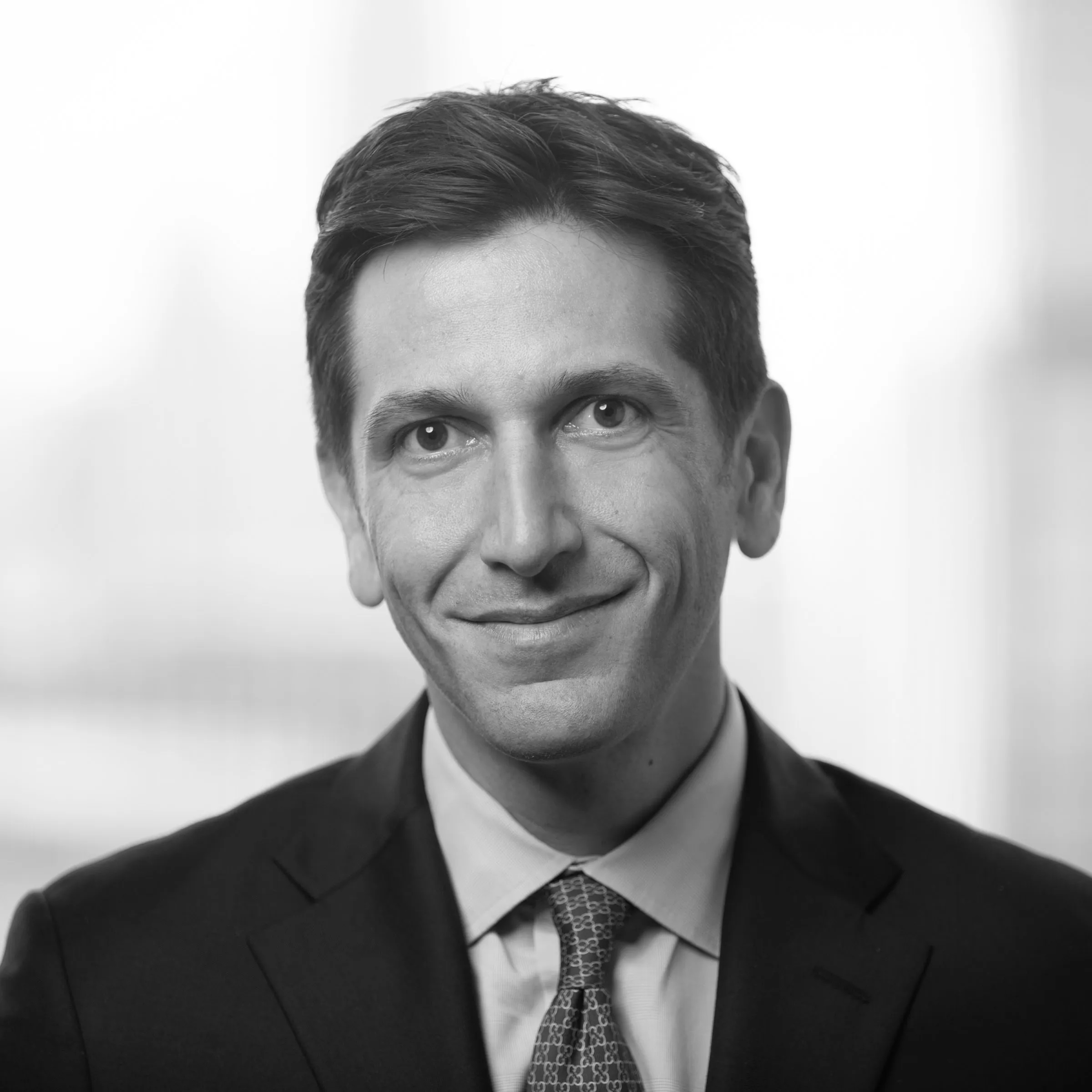
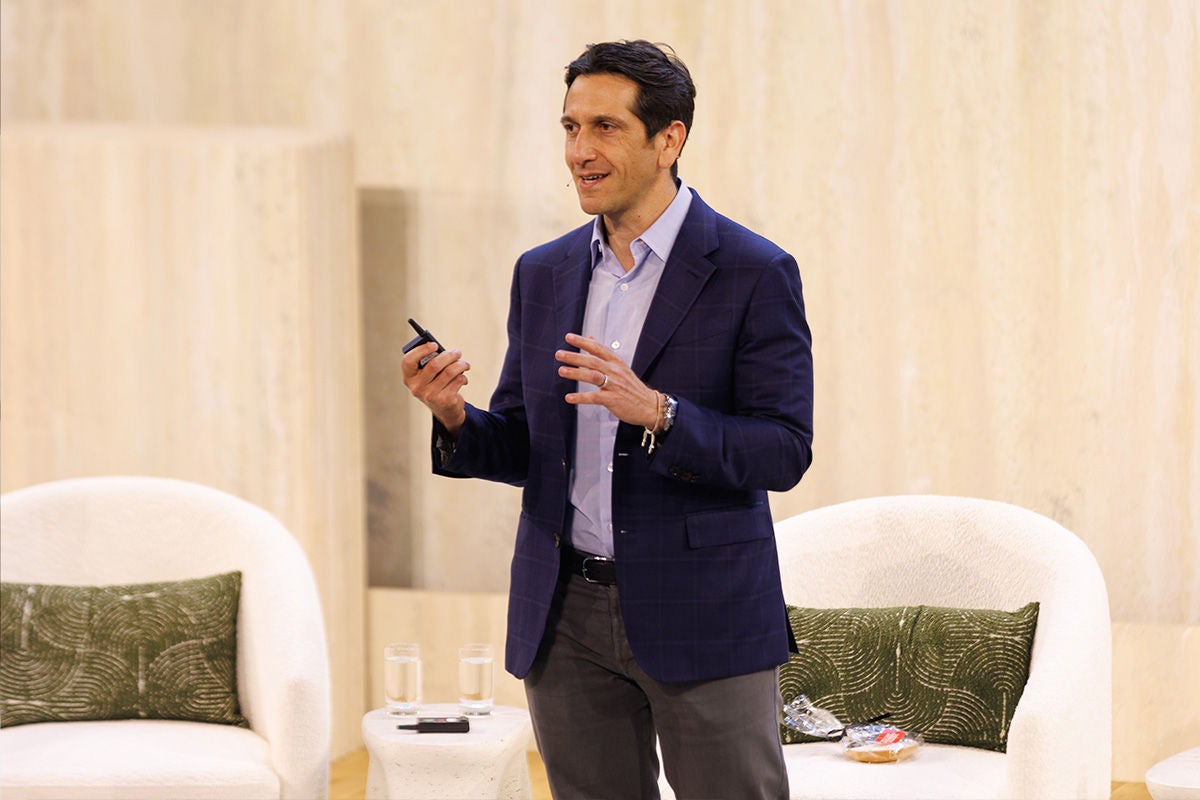
Apollo CEO Marc Rowan explained how Apollo took its most fundamental skill set – the ability to assess risk and reward – and used it to create a business to help fund what he believes are “the companies that are changing the world,” while seeking to preserve capital from the firm and its clients and pursuing an attractive long-term opportunity.
Hybrid capital isn’t a single product. Rather, it’s a toolkit for crafting solutions and a flexible way of structuring capital around the objectives of companies and investors. John Zito, Co-President of Apollo Asset Management, described working in hybrid as “being in the ideas business.”
Hybrid solutions are designed to provide more efficient outcomes for investors by seeking to maximize return per unit of risk. Eric Hanno, Apollo Partner and Co-Head of Apollo Aligned Alternatives, explained that those characteristics can manifest in hybrid as an asset with “equity-like upside and credit-like downside.”
Companies and investors both seek solutions better suited for today’s market paradigm. As Matt Nord, Apollo Partner Co-Head of Private Equity and Head of Hybrid, shared, hybrid strategies are designed to address that dynamic by “navigating the intersection of credit and equity, public and private.”
Rowan set the stage for the day’s discussions by explaining that many of the fastest-growing companies in the world continue to seek access to capital. With cutting-edge technology becoming much more capital-intensive, the breakthrough companies leading the innovation boom in AI, defense, robotics and other areas need financing options far beyond traditional sources of capital. Across the economy, companies at all stages are seeking capital on a scale and in such a compressed time cycle that it is exceeding the capacity of traditional equity and debt markets. Companies may benefit from another solution: hybrid capital.
Rowan explained how Apollo can help provide funding to what he believes are “the companies that are changing the world,” while seeking to preserve capital from the firm and its clients and pursuing the attractive long-term opportunity these transformational companies represent.
Rowan suggested that creative hybrid solutions could become increasingly popular with both companies and investors. While companies are seeking capital on a historic scale, investors are looking for new strategies for an increasingly uncertain environment.
Risks in today’s marketplace suggest that investors don’t want to be “on the bleeding edge of equity valuations,” Rowan explained. What they are seeking instead is attractive return potential alongside protection against downside risk. He concluded that in a volatile market, the ability to provide greater certainty around outcomes increases in value.
Speakers at the Hybrid Capital Summit emphasized another important message: hybrid capital should not be thought of as a single product. Rather, it can be thought of as a toolkit for crafting solutions and a flexible way of structuring capital around the objectives of companies and investors. In hybrid, investments are tailored to the opportunity at hand, whether that means funding growth, facilitating M&A, providing liquidity or solving a more complex capital need that traditional financing may not fully address.
Zito said the primary differentiator hybrid capital providers have over other sources is the ability to engage with a company across the capital structure, moving fluidly across debt and equity, understanding where value sits in a changing market and designing the right solutions tailored to the needs of the moment.
As he explained, some companies today can’t access traditional markets at the scale or timing they require or simply need more capital than equity and debt markets can easily absorb. Hybrid capital can offer these companies a new, scalable and customizable option where standard financing sources may be less effective. “You have these companies that are growing super-fast and are capital-intensive,” he concluded. “That really fits the bill for hybrid.”
Hybrid is not simply a midpoint between debt and equity. Instead, it is a distinct approach that aims to deliver more efficient outcomes for investors by maximizing return per unit of risk. As Hanno explained, those characteristics manifest in hybrid as an asset with equity-like upside and credit-like downside protection. That’s why Apollo is a leading investor in the firm’s own hybrid funds. “For our own balance sheet, what we really wanted to do was to create a strategy that could deliver really consistent equity returns with low volatility and a lot more downside protection than private equity,” he said.
Throughout the discussions at the Summit, speakers returned to the idea that hybrid strategies are designed not just to seek returns, but to potentially improve the quality of returns.
With public equity markets becoming increasingly concentrated, commoditized and volatile, investors are increasingly looking for strategies that let them remain invested in growth without exposing them to excessive risk. Hybrid capital can help address that objective by seeking to provide more resilient risk-adjusted returns.
Hanno explained that the goal is to deliver attractive returns with significant downside protection, low volatility and relatively low correlation to other portfolio assets. In an era defined by higher rates, more uncertainty and greater dispersion in outcomes, that balance is what investors increasingly seek.
For 40 years, global financial markets benefited from a combination of declining rates, expanding multiples and abundant liquidity. That environment rewarded investors who took a high-risk/high-return approach. “In fact, the more risk you took, the better you did,” Nord said.
Coming out of the pandemic, those tailwinds shifted to headwinds as inflation spiked, rates went from low to high, geopolitical tensions intensified and uncertainty mounted.
In remarks closing out the day, Nord asked the audience: “What if the playbook investors have been using for 40 years is no longer applicable in this new paradigm?”
Nord described what a new playbook might look like. Rather than focusing solely on maximizing returns, he discussed strategies that seek to generate stronger and more durable returns with greater downside protection, lower leverage and more consistency across different market conditions.
Such an approach may focus on investments at the top of the credit structure or in unlevered or structured equity. Above all else, he emphasized flexibility, providing companies with solutions customized to meet their needs and opportunities for investors wherever the risk-return opportunity is most attractive.
That playbook is the guiding philosophy for Apollo’s hybrid capital business.
Tags
All information contained in this material is as of July 2026 unless otherwise indicated.
This material is for informational purposes only and should not be treated as research. This material should not be copied, distributed, published, or reproduced, in whole or in part, or disclosed by any recipient to any other person without the express written consent of Apollo Global Management, Inc. (together with its subsidiaries, "Apollo").
The views and opinions expressed in this material are the views and opinions of Apollo Analysts. They may not reflect the views and opinions of Apollo and are subject to change at any time without notice. Further, Apollo and its affiliates may have positions (long or short) or engage in securities transactions that are not consistent with the information and views expressed in this material. There can be no assurance that an investment strategy will be successful. This material does not constitute an offer of any service or product of Apollo. It is not an invitation by or on behalf of Apollo to any person to buy or sell any security or to adopt any investment strategy, and shall not form the basis of, nor may it accompany nor form part of, any right or contract to buy or sell any security or to adopt any investment strategy. Nothing in this material should be taken as investment advice or a recommendation to enter into any transaction.
There can be no assurances that any of the trends described in this material will continue or will not reverse. Past events and trends do not imply, predict or guarantee, and are not necessarily indicative of future events or results. This information is not complete and the information contained herein may change at any time without notice. Apollo does not have any responsibility to update the information to account for such changes. Apollo has not made any representation or warranty, expressed or implied, with respect to fairness, correctness, accuracy, reasonableness, or completeness of any of the information contained herein (including but not limited to information obtained from third parties unrelated to Apollo). The information contained in this material is not intended to provide, and should not be relied upon for, accounting, legal or tax advice or investment recommendations. Investors should make an independent investigation of the information contained in this material, including consulting their tax, legal, accounting or other advisors about such information. Apollo does not act for you and is not responsible for providing you with the protections afforded to its clients.
Certain information contained in this material may be "forward-looking" in nature. Due to various risks and uncertainties, actual events or results may differ materially from those reflected or contemplated in such forward-looking information. As such, undue reliance should not be placed on such information. Forward-looking statements may be identified by the use of terminology including, but not limited to, "may", "will", "should", "expect", "anticipate", "target", "project", "estimate", "intend", "continue" or "believe" or the negatives thereof or other variations thereon or comparable terminology.
Investing involves risk including loss of principal. Alternative investments often are speculative, typically have higher fees than traditional investments, often include a high degree of risk and are appropriate only for eligible long-term investors who are willing to forgo liquidity and put capital at risk for an indefinite period of time. They may be highly illiquid and can engage in leverage and other speculative practices that may increase volatility and risk of loss.
References to downside protection are not guarantees against loss of investment capital or value. Diversification does not ensure profit or protect against loss or value. This material may reference trade names, trademarks, or service marks of companies that are not owned by Apollo or Apollo funds, or that may be held as investments by Apollo or one or more Apollo funds. The use or display of these companies’ trade names, trademarks, or service marks is not intended to imply any relationship with, or endorsement or sponsorship of Apollo, by such companies. All company names and logos are trademarks of their respective holders.
Past performance is not necessarily indicative of future results.
Additional information is available upon request.
© 2026 Apollo Global Management, Inc. All Rights Reserved